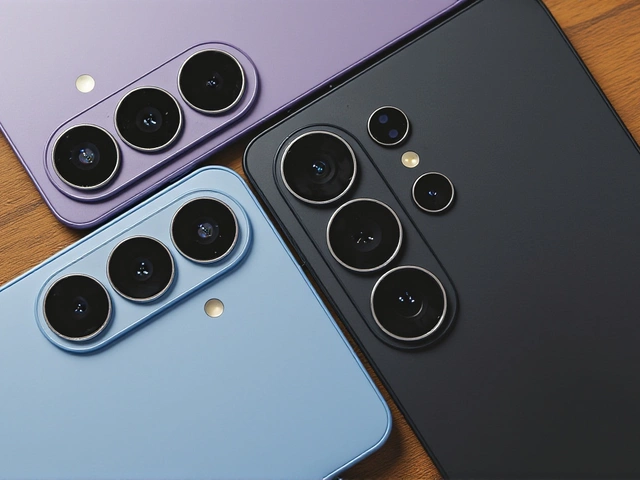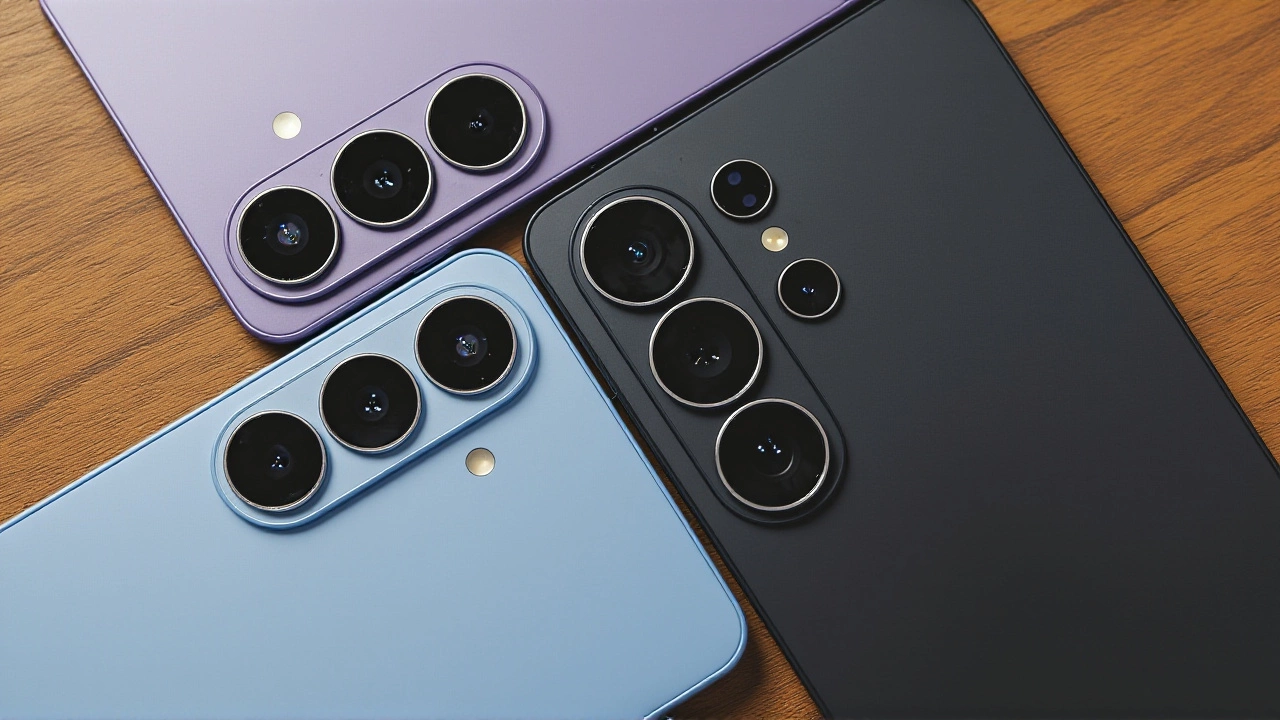
The smartphone market is about to get a serious shake-up. Samsung and Apple are duking it out for dominance again, but this time the stakes feel higher than ever. With Samsung Galaxy S26 series leading the Android charge in January and the highly anticipated iPhone 18 hitting shelves in September, 2026 is shaping up to be the most competitive year yet for mobile tech.
Here’s the thing: it’s not just about raw power anymore. Foldables are finally looking like everyday devices, AI is rewriting how we take photos, and Chinese brands like Xiaomi and Huawei are pushing boundaries that Western manufacturers are scrambling to match. If you’re thinking about upgrading your phone this year, you’ve got options—and some of them might surprise you.
January’s Heavy Hitters: Setting the Android Standard
The year kicks off with a bang. Samsung Galaxy S26 isn’t just another incremental update; leaks suggest slimmer designs, refreshed camera housings, and a serious zoom upgrade for the Ultra model. But wait—there’s a twist. While TechAdvisor lists a "Galaxy S26+" as a top pick, rumors from Stuff indicate Samsung might skip the Plus model entirely, opting instead for a base S26, an S26 Ultra, and a super-skinny "S26 Edge." That Edge model reportedly features a full-width camera bar, mirroring the rumored design of Apple’s thinner iPhone variants.
Meanwhile, OnePlus is making its move with the OnePlus 14. Expected to launch globally in January after a late-2025 debut in China, it promises a flat 120Hz display, the latest Snapdragon 8 series chip, and—crucially—a periscope telephoto lens. That last bit is huge. It’s a first for the brand, signaling OnePlus is ready to compete on camera quality, not just charging speed.
The Foldable Revolution Goes Mainstream
Foldables used to be novelties. Now? They’re center stage. Oppo is back in the game with the Find N6, expected in Q1 2026. Early reports point to a sleeker, lighter design with a tougher hinge and better battery life. Then there’s Google, which is generating buzz with the Pixel 11 Pro Fold. Powered by the upcoming Tensor G6 chip, it’s all about AI-driven photography tools that make editing feel like magic.
Samsung returns mid-summer with the eighth-generation foldables: the Galaxy Z Fold 8 and Z Flip 8. Expect thinner bodies, almost invisible creases, and improved stylus support. And let’s not forget Motorola, whose Razr 70 Ultra and Razr 60 Ultra are already being hailed as stylish contenders by reviewers who’ve tested over 40 phones so far this year.
Camera Wars: Xiaomi, Huawei, and Sony Join the Fight
If you’re a photography enthusiast, keep your eyes on Xiaomi. The Xiaomi 16 Ultra is shaping up to be a dream device, featuring Leica-branded optics, a massive 1-inch sensor, and blisteringly fast 120W charging. It debuts in China first, with a global release shortly after. Later in the year, the Xiaomi 17 Pro Max might even turn its rear camera island into a second screen—a bold design choice that could redefine flagship aesthetics.
Huawei continues its comeback with the Pura 90 series, launching between March and April. Powered by the in-house Kirin 9030 chipset, it offers satellite messaging and continued excellence in mobile photography. Meanwhile, Sony caters to creatives with the Xperia 1 VII, offering a cinematic 4K HDR OLED display and manual camera controls that feel more like a professional DSLR than a phone.
Apple’s Big Shift and Google’s AI Push
All eyes are on Apple in September. The iPhone 18 lineup is expected to mark a major shift, with deeper AI integration across iOS and upgraded cameras. It’s likely to feature the latest A-series chip, but the real story is how Apple uses AI to enhance user experience without compromising privacy—a tightrope walk they’ve been practicing for years.
Then comes autumn, when Google unveils the Pixel 11 range. After pioneering Qi2 magnetic wireless charging with the Pixel 10 series, Google is doubling down on AI photography. The Pixel 11 Pro Fold, in particular, is generating excitement thanks to its new generation of AI-driven tools that can edit photos in ways that were impossible just two years ago.

What This Means for You
So, what should you buy? If you want the best Android flagship right now, the Samsung Galaxy S26 Ultra or OnePlus 14 are strong contenders. For foldable enthusiasts, the Oppo Find N6 and Google Pixel 11 Pro Fold offer compelling innovations. Photography buffs should wait for the Xiaomi 16 Ultra or Huawei Pura 90. And if you’re in the Apple ecosystem, hold tight until September—the iPhone 18 could be worth the wait.
The details are still coming in, but one thing is clear: 2026 is the year smartphones stop being just communication tools and start becoming true personal AI assistants. Whether you care about battery life, camera quality, or form factor, there’s a device out there designed for you.
Frequently Asked Questions
When will the Samsung Galaxy S26 series be available?
The Samsung Galaxy S26 series is expected to launch in January 2026. This includes the base S26, the S26 Ultra, and potentially a new S26 Edge model. Pre-orders typically open a week before the official release date.
Is the iPhone 18 worth waiting for?
If you value deep AI integration and camera upgrades, yes. The iPhone 18 is expected to arrive in September 2026 with significant software enhancements and a potential redesign. However, if you need a phone sooner, current models remain capable.
Which foldable phone has the best camera in 2026?
Reviewers highlight the Google Pixel 11 Pro Fold for its AI-driven photography tools and the Oppo Find N6 for its improved hardware. Both offer unique advantages depending on whether you prefer computational photography or traditional lens quality.
Do any 2026 phones support Qi2 wireless charging?
Yes. The Samsung Galaxy S26 series, Google Pixel 10 (and likely 11), and several other flagships are expected to support Qi2 magnetic wireless charging. This standard ensures better alignment and faster charging speeds compared to older Qi versions.
How does the Xiaomi 16 Ultra compare to other flagships?
The Xiaomi 16 Ultra stands out with its 1-inch Leica sensor and 120W fast charging. It competes directly with the Samsung Galaxy S26 Ultra and iPhone 18 Pro in terms of camera performance, often offering superior low-light capabilities and faster charging times.