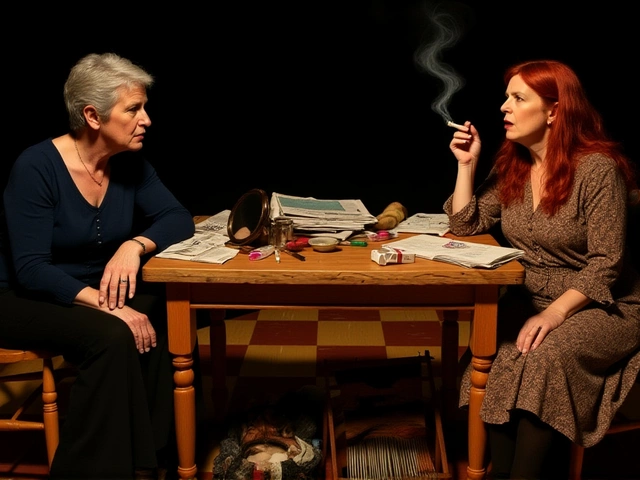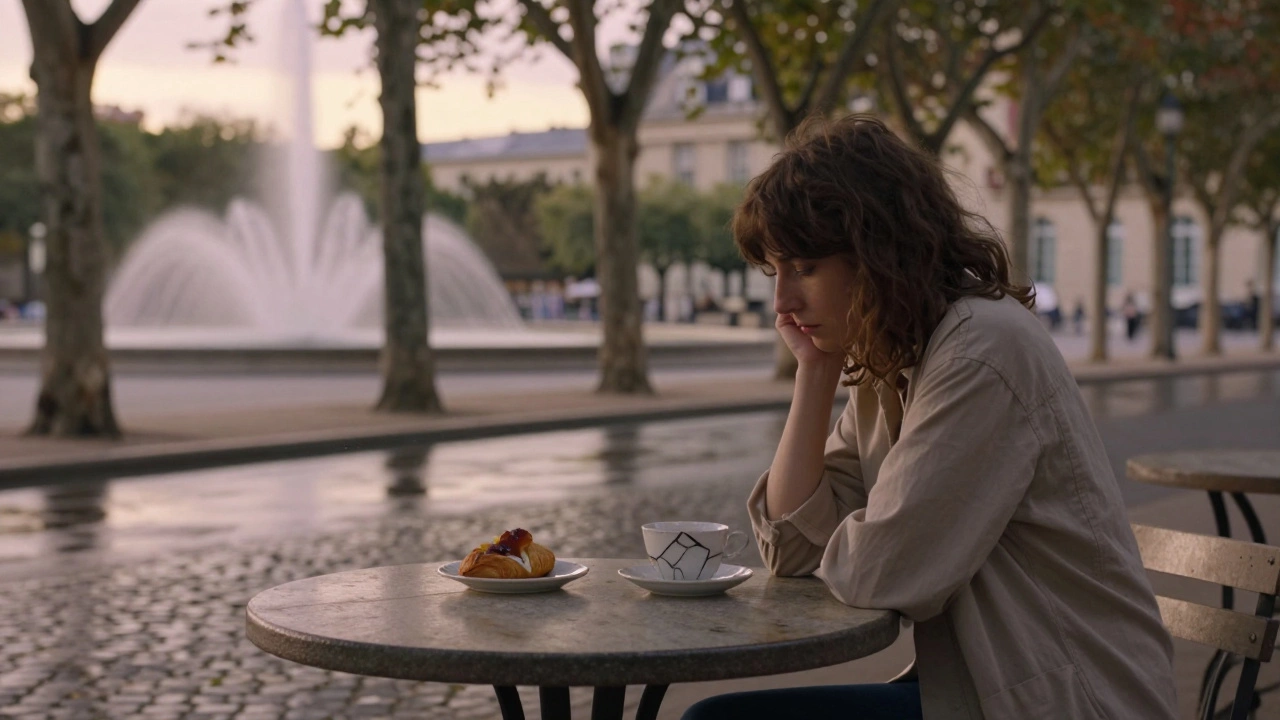
Some disasters don’t come with sirens or news alerts. They arrive quietly - a missed call, a canceled reservation, a letter you never opened. In Aix-en-Provence, where the light bends just right over the Cours Mirabeau and the scent of lavender lingers even in November, I once watched a woman cry over a broken teacup. It wasn’t the cup that mattered. It was what it represented: a promise made in spring, a plan that never left the drawing board. That’s when I realized: the essence of a disaster isn’t always global. Sometimes, it’s personal. And it’s uniquely yours.
There’s a certain kind of loneliness that only shows up in places like Aix - where tourists snap photos of fountains and locals sip espresso without looking up. You can walk past a café where someone once waited for you, and not know it. That’s the quiet collapse. It doesn’t make headlines. But it changes you. If you’ve ever stood in front of a train station at dusk, wondering if you should have stayed, you know what I mean. For some, that moment leads to therapy. For others, it leads to escorte firl paris - a search for connection that doesn’t demand explanations.
Disasters Don’t Always Look Like Disasters
In Aix-en-Provence, the most devastating events are often invisible. No earthquake shook the cobblestones. No flood drowned the markets. But people still left. Not because they were forced out, but because they were worn out. One friend, a painter from Lyon, packed her brushes after three years because the light here didn’t match the colors in her head anymore. She didn’t say it was a disaster. She said, "I just stopped believing in the next canvas."
That’s the thing about personal disasters - they don’t announce themselves. They don’t need a death certificate or a news ticker. They just make you realize, one morning, that the thing you were waiting for isn’t coming. And you’re not sure you even want it anymore.
Why Aix-en-Provence Feels Like a Mirror
Aix isn’t a city that screams. It whispers. It’s in the way the mist rises over the Montagne Sainte-Victoire at sunrise. In the silence between the chimes of the cathedral bell. In the way a stranger smiles at you on the Rue du Four, then turns away before you can return it.
People come here looking for peace. They leave because they found too much of it. Too much quiet. Too much space to think. And thinking, in a place like this, can be dangerous. It forces you to face what you’ve been avoiding: the job you hate but can’t quit, the relationship that’s been dead for years, the dream you buried under "someday."
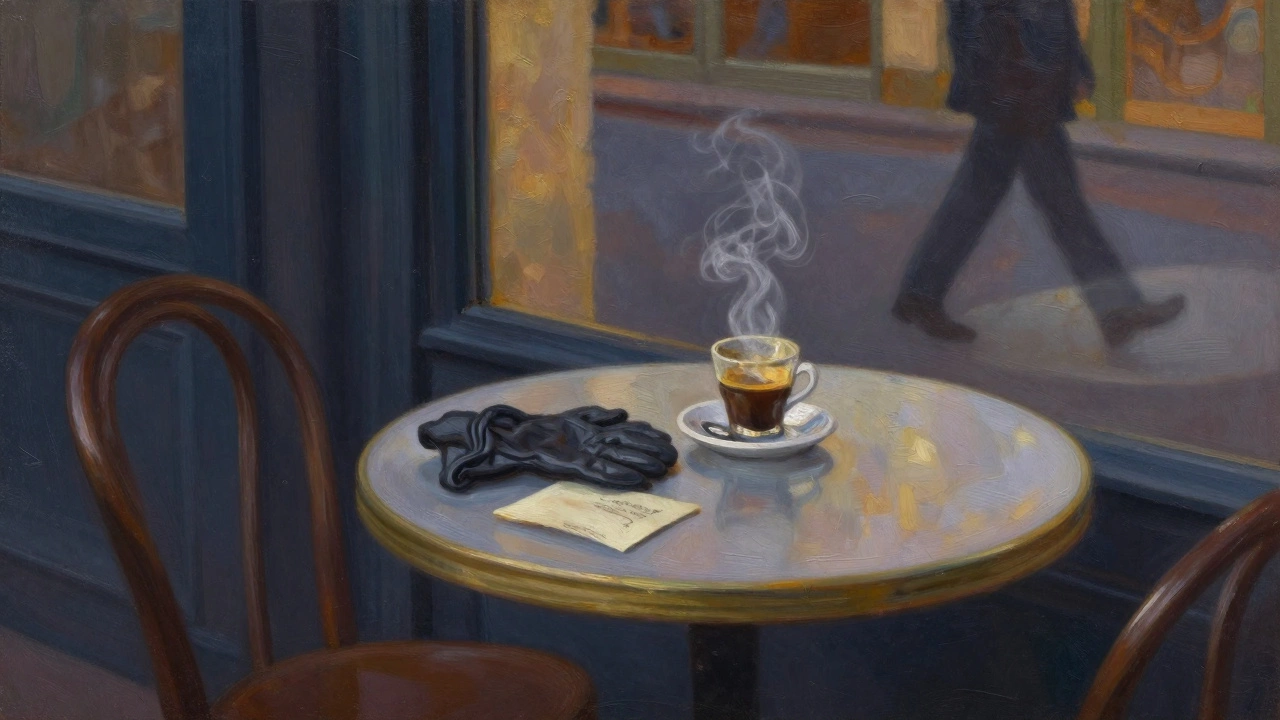
That’s why so many people end up in cafés on the Cours Mirabeau, staring into empty cups. They’re not waiting for coffee. They’re waiting for a sign that it’s okay to let go.
The Role of Connection - and Misplaced Hope
When the internal collapse happens, people reach out. Sometimes to friends. Sometimes to strangers. Sometimes to services that promise presence without pressure. That’s where escorte firl paris enters the story - not as a solution, but as a symptom. A signal that someone is lonely enough to pay for silence that doesn’t judge.
It’s not about sex. It’s about being seen. About having someone sit with you in the dark without asking why you’re there. In Paris, where the pace is faster and the faces are colder, that kind of connection is commodified. In Aix, where time moves slower, it’s harder to find - so people look elsewhere.
That’s why you hear whispers about escorte firl paris, escort 6 paris, and escorte paris. Not because they’re popular. But because they’re available. And when you’re drowning in your own quiet, availability feels like salvation.
What Happens After the Collapse?
There’s no manual for rebuilding after a personal disaster. You don’t call a contractor. You don’t file an insurance claim. You just start walking. One step. Then another.
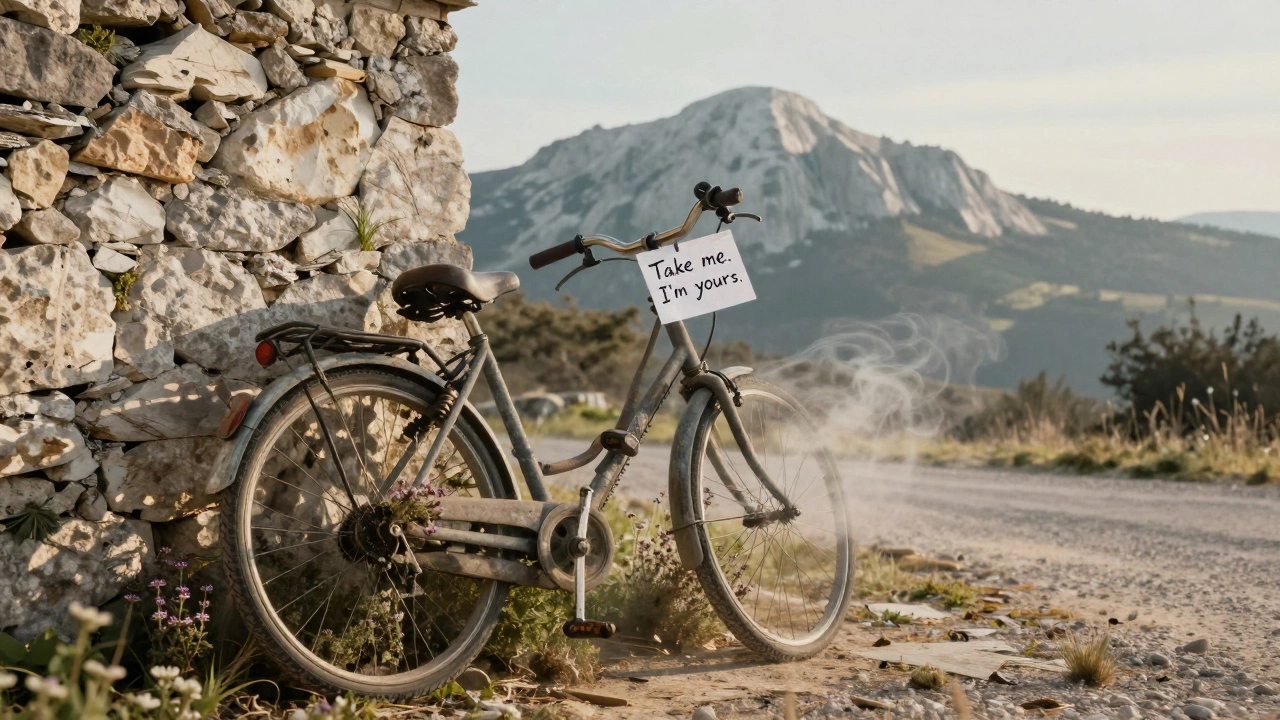
In Aix, people do strange things to begin again. They take up pottery. They learn to make pastis from scratch. They start writing letters they never send. One man I met, a retired professor, began collecting abandoned bicycles and fixing them up. He didn’t sell them. He just left them in public parks, with a note: "Take me. I’m yours."
That’s the real recovery - not fixing what’s broken, but making space for something new to grow in the cracks.
Why You Shouldn’t Rush to Fix It
We’re taught that pain needs fixing. That silence needs filling. That loneliness needs a partner, a job, a trip, a service.
But sometimes, the only thing that heals is time. And in Aix-en-Provence, time doesn’t rush. It lingers. It waits. It lets you sit with your grief until you’re ready to stop naming it a disaster.
Maybe your disaster isn’t about lost love or missed opportunities. Maybe it’s the quiet realization that you’ve been living someone else’s version of your life. And that’s okay. You don’t need to fix it. You just need to stop pretending it’s not there.
What Comes Next
If you’re reading this and you recognize yourself - the quiet mornings, the unanswered texts, the teacup you never cleaned - then you’re not alone. You’re just early in the process.
Start small. Walk without a destination. Talk to a stranger. Write one sentence you’ve been too afraid to say out loud. Don’t look for a cure. Look for a sign that you’re still here.
Because the essence of your disaster isn’t in what happened. It’s in what you’re still choosing to feel. And that - however quiet - is still a kind of courage.